Pest Control: Valuable Approaches to Shield Your Dwelling and Enterprise
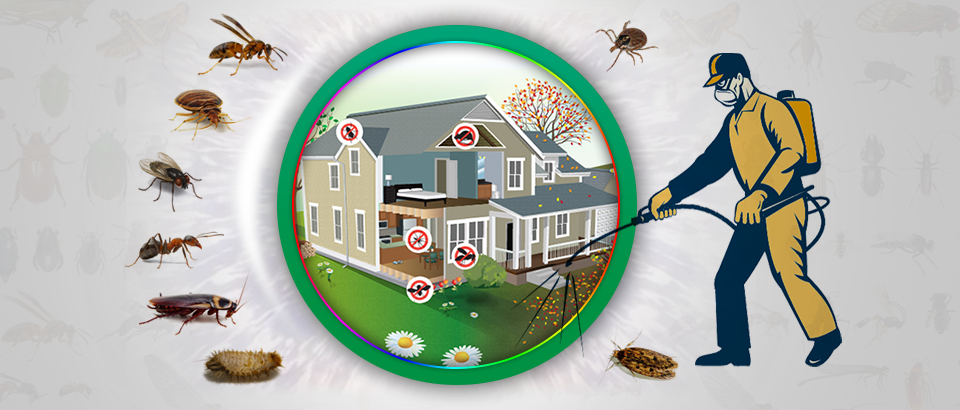
Pest Control: Valuable Solutions to Defend Your Property and Venture
Introduction to Pest Control
Pest Control concerns the management or organization of life forms considered as pests – life forms that negatively affect human endeavors or vicinities. In New Jersey, a place where numerous natural systems meet metropolitan and city advancement, successful Pest Control is not just a extravagance but a necessity for preserving sanitary home and professional settings. From the widespread neighborhoods of Monmouth County to the integrated residential areas of Matawan, pest invasions can disturb anyone, no matter of how spotless or well-kept their home may be.
The relevance of employing successful Pest Control tactics can't be overemphasized. For residents, pests can impair framework stability, spoil food reserves, and pose substantial health perils. Organizations confront these similar issues, with the supplementary concern of reputation impairment and possible deprivation of shoppers if occurrences are detected. Ordinary pests in New Jersey contain small mammals like rats and mice, numerous insects such as ants, cockroaches, and bed bugs, and the specifically damaging termites that can quietly damage a building's base.
The Rationale Pest Control Is Significant
Health Threats of Pest Control Methods
Multiple pests transmit and spread diseases that can harm persons and pets. Rodents are identified transporters of hantavirus, salmonella, and leptospirosis. Cockroaches can initiate asthma occurrences and hypersensitivity reactions, notably in children. Ticks, abundant in New Jersey's sylvan areas, are recognized for disseminating Lyme disease, while mosquitoes can transfer West Nile virus and Eastern Equine Encephalitis. Expert Pest Control facilitates minimize these health risks by destroying the foundation of these likely disease spreaders.
Real Estate Destruction in Pest Control
The architectural injury created by pests can be extensive and pricey. Termites exclusively bring about over $5 billion in structure harm every year around the United States, with New Jersey homes being especially susceptible due to the state's environmental conditions. Rodents can chomp through electronic wiring, forming fire threats, while their continuous biting can destroy weatherproofing, pipes, and wood basic elements. Even apparently innocuous ants can weaken wood structures if permitted unmanaged, specifically carpenter ants which are frequent in Monmouth County.
Fiscal Consequences of Pest Control Services
Ignoring pest issues can cause considerable fiscal effects. What may initiate as a small infestation demanding simple management can promptly escalate into a significant complication requiring broad rehabilitation. For organizations, chiefly those in the food business or leisure businesses, pest outbreaks can generate deficient health examinations, brief suspensions, and lasting injury to status and shopper confidence. Allocating resources in regular Pest Control is not only about instant contentment—it's a sustained economic defense.
Pest Control: Frequent Household and Commercial Pests
Rats and Mice (Rats and Mice)
When it concerns identifying rodent invasions in your New Jersey home, carefulness is crucial. You can observe dung near food stocks, in storage units, or underneath sinks. Chew marks on food packaging, wood, and electronic lines are revealing indicators of their occupancy. At nighttime, you may distinguish abrasive disturbances in dividers, ceilings, or beneath floors as these night-time beings get energetic. If you identify shelters produced from ripped stationery, fibers, or dehumidified plant matter, that's a plain signal rodents have built themselves settled. Slimy rub marks adjacent to baseboards and walls materialize as rodents practice the matching paths recurrently, while your pets may exhibit atypical demeanor such as yapping or clawing at areas underneath equipment or possessions where rodents shelter.
Small mammals in New Jersey homes and enterprises pose various perils exceeding basic bother. They can adulterate food and making areas with infectious agents residing in their urination and stools. Their incessant compulsion to munch can hurt property, notably wiring, which generates fire risks. In Matawan and surrounding areas, the Norway rat and house mouse are remarkably troubling, growing well in both metropolitan and outlying regions. Efficient Pest Control measures are crucial to address these detrimental infiltrators.
Bugs (Ants, Cockroaches, Bed Bugs)
Invertebrate problems show themselves in different ways according to the species. Ant predicaments develop into evident when you notice obvious ant paths approaching food sources, or when you detect tiny accumulations of dirt or wood chips constructed by carpenter ants. Cockroach incursions often display themselves through dark feces reminiscent of coffee grounds or black pepper, a unique fusty aroma that pervades overrun spots, and the existence of egg coverings in hidden corners. Bed bug troubles show up as rust-colored stains on mattresses and belongings, shed skins near reposing areas, diminutive blood stains on sheets, and prickly red elevations on skin normally aligned in a succession or cluster.
Bugs constitute the most assorted type of pests in New Jersey. Cockroaches can set off asthma and hypersensitivities while circulating multiple pathogens. Bed bugs, while not disease vectors, cause considerable distress, sleep interruption, and affective torment. Special ant types, like carpenter ants common in Monmouth County's wooded places, can generate framework injury akin to termites over time. Trained Pest Control companies can distinguish precise insect types and carry out precise treatment tactics that tackle the particular practices and vulnerabilities of each pest.
Termites
Spotting termite activity early needs recognizing the subtle markers of their presence. You can spot cast-off wings near openings and entries after swarmers have found a mate and instituted a new community. Mud tubes on exterior barriers, lumber beams, or in crawl spaces operate as guarded highways for these detrimental critters. Wood that rings empty when tapped indicates termites have been consuming from internally. Doors and apertures that abruptly stick may indicate deforming from termite deterioration, while split or rising paint similar to water impairment often conceals termite work under. Finding frass—termite waste comparable to small wood-colored fragments—furnishes another validation of their undesirable manifestation.
Termites form perhaps the most noteworthy constructional danger throughout all usual pests. In New Jersey, the Eastern subterranean termite is abundant and especially devastating. These creatures can continue unsensed for durations while inflicting widespread damage to timber framework constituents. Homes in Matawan and all over Monmouth County, particularly older buildings, are at risk to termite problems. The typical expense of term pest control.
Pest Control Security Aspects
Safe Application of Chemicals and Substances in Pest Control
When chemicals turn needed in your pest control strategy, emphasizing security demands attention to multiple crucial procedures that defend individuals, companions, and the ecosystem. Continuously examine and observe product guidelines accurately, as these legal guidelines demonstrate thorough examination and regulatory evaluation designed to reduce dangers. Employ the least efficient amount of chemical to reach elimination while reducing unnecessary chemical incorporation into your residential space. Apply substances only in locations indicated on the product instructions, avoiding off-label treatments that may generate unforeseen risks or decrease efficacy. Use proper protective apparatus as specified by chemical companies to stop individual contact during treatment. Keep products in their initial bottles with labels undamaged to keep availability to safety data and eliminate misidentification. Keep complete notes of all uses, noting products employed, dilution ratios, spots treated, and times of use for later use. Permit proper setting and airflow before reoccupying applied areas, especially vital in New Jersey's climate where moisture can affect curing periods. Think about less-toxic choices when effective, as developments in pest management have created many lower-toxicity choices that keep efficacy while reducing potential risks.
Safeguarding Companions and Kids While performing Pest Control Applications
Special precautions turn necessary when executing pest control procedures in dwellings with at-risk family occupants. Move animals throughout application and until surfaces are dry to stop close exposure with moist chemicals or fumes that could generate bad responses. Cover or move pet food, water bowls, and playthings before application to prevent exposure that could result in accidental eating. Place children's items apart from treatment locations, particularly objects that young children might place in their mouths. Disinfect and sterilize meal cooking areas after application, even if they were not directly serviced, to eliminate any remains that might have gathered during treatment. Ensure young ones distant from serviced locations for the advised duration, increasing this period for crawling toddlers who have increased immediate exposure with floors and low surfaces. Evaluate non-toxic to pets and child-safe product alternatives when available, as many contemporary formulations target particular pest physiology while reducing human harm. Most crucially, advise expert specialists about the existence of companions, children, or pregnant family occupants before they formulate application plans, allowing them to modify methods and substance options appropriately.
Governmental Standards and Compliance with Pest Control
Pest control in New Jersey works within a legal structure built to safeguard community wellness and the ecosystem while maintaining efficient pest control. The New Jersey Department of Environmental Protection monitors pest control procedures, mandating professional pest elimination firms to satisfy certain criteria. Businesses must utilize licensed technicians who have cleared state tests proving proficiency in pest biology, service procedures, and safety guidelines. These companies must maintain appropriate insurance protection defending both their applicators and their patrons from potential losses or harm related to pest elimination operations. Tight guidelines control chemical storage, shipping, and elimination to stop natural contamination and unpermitted access. Professionals must provide Safety Data Sheets upon inquiry, documenting the properties and hazards of substances applied in services. Notification rules apply for specific treatments, particularly in multi-unit dwellings or commercial locations with numerous residents. Comprehensive treatment logs must be kept, creating an audit history of pest elimination operations. Moreover, only chemicals licensed for employment in New Jersey may be legally utilized, guaranteeing that regional natural conditions and environments have been examined in the permission process. For commercial facilities in Matawan and throughout Monmouth County, extra regulations may relate based on the industry, particularly for food service, medical, and daycare buildings where pest elimination connects with further general safety concerns.
Natural Pest Control Solutions
Combined Pest Management (IPM) Strategy
Unified Pest Management represents the gold level in today's pest control, emphasizing on long-term prevention through a mixture of strategies that reduce ecological impact while maximizing effectiveness. The IPM system commences with comprehensive evaluation and monitoring to determine pest pressure correctly, forming starting information about varieties occurring and number densities. This creates accurate determination of pest varieties, confirming treatment work target specific behaviors and vulnerabilities rather than using broad procedures. Specialists create level numbers that require intervention, acknowledging that the plain presence of a handful of insects doesn't necessarily call for control if quantities persist below damaging amounts. When control turns essential, IPM applies numerous management approaches in coordination, usually commencing with low-impact techniques and progressing only when necessary. During the system, practitioners review effectiveness and adjust techniques as appropriate, building a dynamic system responsive to shifting situations. Most importantly, IPM highlights deterrence over control, handling structural and ecological elements that support pest communities rather than simply eliminating present pests. Many pest control businesses in New Jersey provide IPM-based solutions that coordinate with the state's push toward lower-risk pest control methods, notably in vulnerable environments like learning institutions, health institutions, and meal manufacturing plants.
Alternative Management Approaches
Effective pest control often includes alternative techniques that can resolve or reduce pest problems without introducing substances into the surroundings. Mechanical barriers such as mesh, door sweeps, and filling prevent pest penetration fully, tackling the trouble at its source. Direct systems like devices and blocking systems eliminate current creatures while blocking new arrivals. Natural approaches containing helpful creatures and microbes insert biological enemies that attack individual insects while preserving helpful creatures unharmed. Behavioral methods modify the environment to prevent pests, such as adjusting irrigation schedules to reduce water that brings certain creatures. Environment modification reduces hiding places and nutrition supplies, making sites reduced favorable to troublesome occupants. For certain pests like bed bugs, temperature applications offer very efficient control without chemical leftovers by boosting thermal pest control levels over the thermal death level for all life phases of the specific pest. Similarly, refrigeration approaches for warehoused commodity organisms like grain insects or pantry pests can eradicate infestations in edible products without toxic pollution. These methods show specifically useful in New Jersey's diverse settings, where nearness to water systems, conserved natural areas, and thick residential hubs produces many circumstances where chemical decrease becomes beneficial or required.
Environmentally-Friendly Pest Control Control Solutions
The pest control sector maintains to develop toward greater green methods that maintain performance while lowering environmental impact. Organic chemicals extracted from natural substances like pyrethrum, neem oil, and concentrated essences supply focused treatment with reduced persistence in the ecosystem. Biological agents including organisms, molds, or organisms that aim at certain pest species provide specificity that standard universal pesticides are unable to compare to. Development controllers that inhibit pest reproduction by disrupting with maturation cycles offer long-term quantity limitation without instant harmful influences on developed organisms. Chemical systems that watch or interrupt pest reproduction help figure out when action turns necessary and can prevent reproduction in some species. The field continuously embraces minimal-impact products with small environmental impact, changing away from previous chemistries with wider impacts on beneficial species. Targeted delivery technologies that lower complete substance application apply applications specifically where required rather than broadcasting chemicals over large regions. Green approval programs for pest control organizations establish guidelines for naturally favorable care and provide clients with plain marking of services pledged to green methods. In ecologically critical zones of New Jersey, encompassing portions of Monmouth County with closeness to liquid sources, these environmentally-friendly methods are specifically useful for protecting both individual wellness and environmental environments while nonetheless delivering efficient pest treatment.
Finding a Local Pest Control Service Provider in New Jersey
Capitol Exterminating System
272 NJ-34
Matawan, NJ 07747
(732) 441-1900
Regularly Requested Queries (FAQs) about Pest Control
How often should pest control be conducted?
For many New Jersey houses, four times yearly pest control provides sufficient safeguarding against seasonal pest challenges. This frequency corresponds with the area's different seasons, each bringing separate pest issues that demand proactive focus. Early season treatments usually tackle appearing ant communities and dormant insects becoming active. Summertime treatments focus on mosquitos, parasites, and various flying pests that succeed in heated weather. Fall procedures prepare houses for small mammals and surviving creatures seeking harborage as temperatures drop. Winter services maintain safeguarding against interior pests while addressing rodent issues at its maximum. Though, this frequency may rise for homes with specific hazard conditions or persistent troubles that need more thorough management. Residences near wooded locations in Monmouth County may advantage from extra tick and mosquito services within peak cycles. Homes with background of individual pest concerns regularly need targeted follow-up treatments beyond the standard four times yearly frequency. Industrial facilities, especially restaurant industry facilities in locations like Matawan, often call for every month service to preserve agreement with safety requirements and eliminate issues that could damage reputation and commercial activities.
Is qualified pest control harmless for pets?
When executed properly, professional pest control can be safe for companions through careful chemical choosing and usage procedures that decrease access. Current targeted employment approaches and lower-risk products have considerably enhanced security features versus previous pest control methods. Contemporary applications often employ compounds particularly created to have reduced poison to mammals while keeping effective against intended pests with separate physiologies. Professional professionals obtain instruction in employment approaches that position materials in zones pets can't get to, such as interior spaces, fissures and crevices, or beneath appliances. Nevertheless, animals should be taken away while performing treatment and until all services have cured entirely, observing particular waiting durations advised by the product maker and specialist. Water systems should be enclosed and ventilation systems disabled during treatment to prevent contamination from aerial matter. Pet items such as resting places, objects, and feeding bowls should be taken away or covered during application. Discuss any issues with your pest control specialist, who can propose suitable rest periods depending on the particular services utilized and change strategies for families with particularly delicate animals like flying animals or cold-blooded animals that may have distinct physical sensitivities than felines and dogs.
What are the evidence of a major pest issue?
Beyond observable creatures themselves, several alert indicators suggest likely severe infestations requiring immediate pest control treatment. Unusual scents frequently arise with significant infestations – musty, oily odors may suggest small mammals, while pleasant, nutty scents at times follow German roach groups. Unexplained physical deterioration like sagging floors, rising finish, or crumbling timber may show termite activity or wood-boring ant colonies ruining structural parts. Unusual disturbances within barriers or lofts, especially at dark, commonly reveal mouse and rat presence as these nighttime creatures grow lively in hidden locations. Plentiful dust similar to minute shavings close to wooden elements may actually be excrement or excrement from timber-damaging creatures. Some residences experience unexplained wellness concerns like breathing issues or irritation that improve when gone from residence, possibly suggesting bug problems influencing interior air standard. In New Jersey properties, particular focus should be devoted to underground and under-floor areas where dampness problems can maintain pest populations, notably in older residences throughout Monmouth County where structural cracks and deteriorating material provide various access locations. Encountering numerous deceased pests of the matching kind implies a greater group in the area, while oil traces along floor edges suggest developed rodent passages with regular traffic.
Can I prevent pests without pest control products?
Absolutely, multiple organisms can be avoided through appropriate cleanliness, exclusion, and living space adjustment without employing chemical treatments. The base of natural pest control initiates with thorough exclusion work – sealing fissures, gaps, and access points that allow insects to access homes in the beginning place. Putting in door sweeps, fixing deteriorated mesh, and closing service openings stops frequent access points. Taking away feeding options through proper edible containment in sealed vessels, fast clearing of spills and bits, and consistent refuse collection substantially decreases attractants that pull pests interior. Reducing moisture by correcting flowing water lines, bettering air movement in damp spaces, and tackling water flow concerns removes the fluid sources many creatures need. Sustaining a distance space near properties by reducing foliage, removing organic debris, and holding wood elevated and away from properties reduces shelter spaces and access spots. Employing physical blockades like metal screen or steel fiber to stop larger openings supplies lasting prevention for mice and rodents. Regular care that contains vacuuming gaps and spaces gets rid of bug young and food debris that encourage pest breeding. For present problems, nevertheless, some type of control substance may be required to fix set troubles, though various safer alternatives are obtainable including natural silica earth, boron acid, and pest-killing solutions that offer reduced threat versus traditional products.

What should I expect throughout qualified pest control procedure?
A professional pest control service generally starts with a detailed inspection to determine pest types, penetration points, and encouraging environments contributing to the problem. The specialist should spend effort checking both internal and outside locations, paying specific attention to kitchens, bathrooms, basements, and perimeter foundations where pest presence often gathers. Subsequent to this examination, the professional should describe their findings in thoroughness and advise a procedure program adapted to your unique circumstances, discussing both the specific insects and the methods suggested for controlling them. You may receive readiness directions before procedure, probably containing relocating objects, clearing certain locations, or securing pets. Throughout the application, the professional will use appropriate substances to specific zones considering the pest types found, focusing on fissures, gaps, and pest refuge areas rather than broadcasting procedures over entire spaces. They may set up observation systems like creature traps or food systems that aid track advancement and supply persistent defense. After finishing applications, a specialist should detail any post-treatment guidelines such as air circulation specifications, return periods, or locations to wash. Before departing, they should set up subsequent appointments if required for particularly difficult pests like sleeping pests or German roaches that commonly need multiple services for entire eradication. Throughout this process, technicians should invite queries and offer understandable details about the substances and procedures employed, reflecting their training and commitment to both effectiveness and security.
Successful pest control is an crucial element of maintaining sanitary, harmless home and commercial settings in New Jersey. From the humid hot months that produce mosquitos and blood-sucking insects to the colder periods when rodents search for harborage inside, pest problems stay a ongoing worry for inhabitants and enterprises in Monmouth County and Matawan. By comprehending common pests, using precautionary steps, and understanding when to look for qualified assistance, home operators can defend their assets and the wellness of residents.
Using a forward-thinking method to pest control is consistently more efficient and affordable than addressing to developed invasions. Consistent assessments, suitable upkeep, and dealing with tiny troubles before they escalate can stop the major expenses and interruptions related with substantial pest problems. When expert assistance grows required, choosing a trustworthy, licensed pest control provider who utilizes combined pest treatment approaches delivers productive solutions with limited surrounding impact.